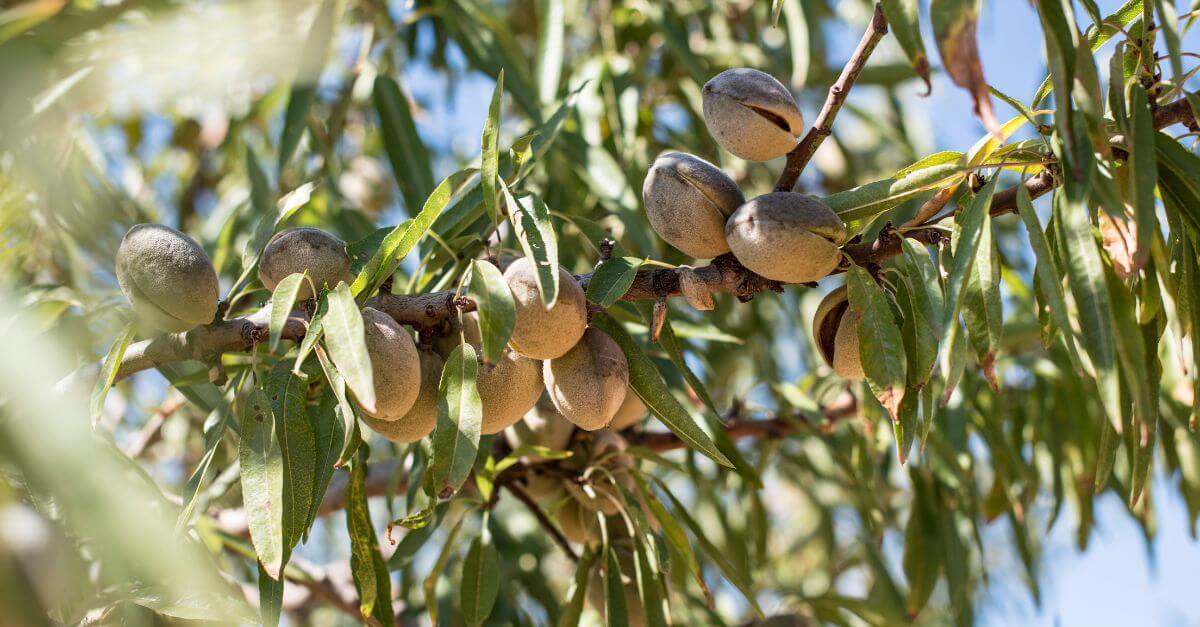
In the countryside, sometimes what seems small is what has the most value. Nuts (almonds, pistachios, walnuts, etc.) are experiencing a key moment. Not only because they fit in with new trends in healthy and sustainable consumption, but also because they are crops that, with a good strategy, can open doors in international markets. In this article, we tell you more about nuts and exports.
Why are nuts so interesting?
Global consumption of nuts has grown at an impressive rate in recent years. And that makes sense. They are healthy, keep well, travel easily, and have a well-established international market. But they are also crops that can be sustainable and profitable if managed well from the outset.
Farmers who have invested in almond or pistachio trees with a medium-term vision and careful planning are now in a strategic position. Some export directly, while others are part of cooperatives or companies that sell in markets such as Germany, France, the Middle East, and even Asia.
What to consider for successful nut exports
Exporting is not just a matter of loading a container and waiting to get paid. It is much more complex and requires preparation. Here are some key aspects that any professional in the sector should master:
Phytosanitary requirements according to the destination country.
- Certifications such as Global GAP, BRC, or ISO to access large chains.
- Ensure product traceability and quality from the source.
- Proper packaging and preservation in good condition during logistics.
- Know the buyer and their requirements (selling to Germany is not the same as selling to the United Arab Emirates).
- Stability in supply: a customer who is satisfied once will want to repeat the experience.
This technical and commercial knowledge is what sets apart a producer who sells in bulk from one who leads an international strategy with entrepreneurial vision.
Spain, a growing player
Although the United States, Turkey, and Iran continue to lead in production, Spain has gained ground thanks to the modernization of the sector and a commitment to new varieties and cultivation systems. Castilla-La Mancha and Aragón lead in pistachios and almonds, while Catalonia and northern Spain are pushing ahead in walnuts.
And what is interesting is that it is not only production that is growing. The chain is also becoming more professional: investment is being made in technology, quality is being taken care of, and more thought is being given to the end consumer.
ISAM and nuts as a global business
At ISAM, we work to train professionals who not only understand the field, but also the business. Our master’s degree in Agribusiness takes a broad view: logistics, internationalization, regulations, certifications, sustainability… And nuts are one of the many sectors where this knowledge translates into real impact.
Our students don’t just learn theory. Many of our students and alumni already work in companies in the sector, managing real export, production, or quality control operations. In fact, one of our former students, now a professional at Importaco Terra, one of the leading companies in nuts, shared his experience in a webinar where he explained how things work in this type of business. Because yes, nuts are much more than an agricultural product: they are a business opportunity.
Nuts are not just a consumer trend. They are a growing business that requires strategy, technical knowledge, and international vision. If you are interested in this type of opportunity within globalized agriculture, this could be the path for you. Would you like to work in international trade of high-value agricultural products such as nuts?
Request information about ISAM’s Online Master’s Degree in Agribusiness and start building a career that will have an impact on the future of agriculture.